Effective Underground Leak Detection: Expert Techniques for 2025
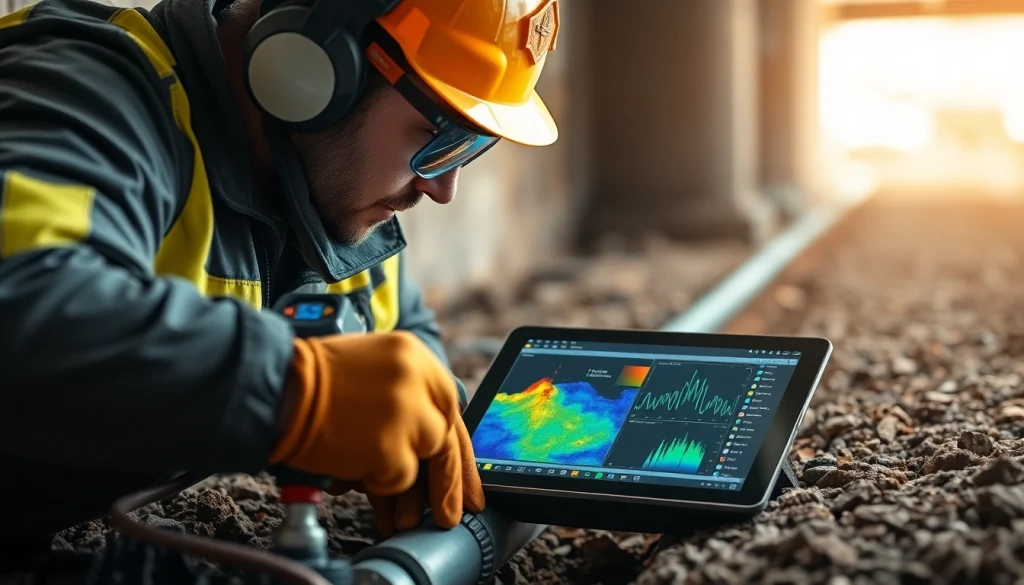
Understanding Underground Leak Detection
Underground leak detection is a critical service aimed at identifying hidden leaks that can lead to significant damage if left unchecked. Leaks, especially those occurring beneath the surface, can be elusive and often remain undetected until they cause severe structural or environmental issues. The need for effective leak detection is underscored by the risks associated with water loss, potential damage to property, and increased utility bills. Understanding the importance of early intervention and the techniques available for leak detection can save homeowners and businesses a considerable amount in repair costs and water expenses.
What is Underground Leak Detection?
Underground leak detection refers to a variety of methods used to locate leaks in water pipes buried beneath the surface. These leaks might originate from various sources, including irrigation systems, plumbing lines, or municipal water mains. The detection process typically involves sophisticated technologies that allow professionals to pinpoint the exact location of a leak without the need for extensive excavation. By employing advanced techniques, specialists can assess the issue swiftly and implement corrective measures to prevent further damage.
Common Causes of Underground Leaks
Multiple factors can contribute to underground leaks, including:
- Corrosion: Over time, pipes, particularly metal ones, can corrode due to chemical reactions with the soil, leading to leaks.
- Ground Movement: Soil settling and shifting can place undue pressure on pipes, causing them to crack or break.
- Tree Roots: Roots can invade underground pipes, leading to blockages and leaks.
- Temperature Changes: Extreme temperature fluctuations can cause pipes to expand and contract, leading to potential leaks.
Importance of Early Leak Detection
Early detection of leaks is paramount for several reasons. Firstly, addressing leaks quickly can save significant amounts of water, thus reducing utility bills and preventing further property damage. For example, a small leak might seem inconsequential initially, but over time, it can lead to significant structural damage, mold growth, and even health risks. Additionally, timely leak detection helps maintain the integrity of plumbing systems, ensuring they function efficiently for years to come. When exploring options, underground leak detection services provide comprehensive insights into potential issues before they escalate.
Advanced Techniques in Underground Leak Detection
With technological advancements, the methods used for underground leak detection have significantly improved. Modern techniques are designed to quickly and accurately identify the location of leaks without damaging the surrounding landscape or infrastructure.
Thermal Imaging for Leak Detection
Thermal imaging cameras utilize infrared technology to identify temperature variations within walls, floors, and ceilings caused by leaks. This method allows technicians to visualize issues that are not visible to the naked eye, making it an efficient tool for detecting moisture buildup and the heat loss associated with leaks. By identifying these temperature differentials, professionals can locate potential leaks and address them without invasive procedures.
Acoustic Methods and Their Benefits
Acoustic leak detection involves using sensitive microphones to listen for the sounds of water escaping from pipes. This method is particularly effective for underground leaks, where the sound of escaping water can be amplified and localized. Acoustic leak detection is advantageous because it often requires minimal disruption, allowing for quick identification of leaks without significant excavation.
Tracer Gas Techniques Explained
This method involves introducing a safe, odorless gas into the pipe system. If there is a leak, the gas will escape, and specialized detectors can identify its location above ground. Tracer gas detection is especially useful for locating very small or hard-to-access leaks, making it a preferred choice for many leak detection specialists.
Choosing the Right Leak Detection Service
Selecting the appropriate leak detection service is crucial for ensuring that leaks are found and fixed efficiently. When choosing professionals, consider the following:
Factors to Consider When Hiring Professionals
- Experience: Look for companies with extensive experience in leak detection, particularly in residential settings.
- Technological Capability: Ensure that the service uses modern and effective detection technologies.
- Reputation: Check reviews and testimonials from previous clients to gauge reliability.
- Guarantees: Opt for services that offer guarantees on their work to ensure peace of mind.
Comparative Analysis of Detection Technologies
Different leak detection technologies have unique advantages and drawbacks. For example, while thermal imaging is excellent for visualizing leaks, it may not be as effective in all environments. Acoustic methods can provide quick results but may require skilled technicians to interpret the sounds accurately. Understanding the pros and cons of each method can help homeowners make informed decisions about which service to choose.
Cost-Effectiveness of Professional Services
While some may consider DIY methods for leak detection, the cost-effectiveness of hiring professionals often outweighs the potential risks. Professional leak detection services can prevent extensive damage, saving money in the long run. Additionally, most leak detection companies offer competitive pricing and value-for-money packages, making it easier for homeowners to access expert services.
DIY Solutions for Homeowners
While professional services are essential for more complex leak issues, homeowners can take proactive measures to identify leaks on their own. Understanding basic tools and techniques can empower homeowners to act swiftly.
Basic Tools for Detecting Underground Leaks
- Moisture Meters: These devices can help detect moisture levels in walls and floors, indicating potential leaks.
- Stethoscope or Listening Device: Simple acoustic devices can help identify the sound of escaping water.
- Soil Probe: For assessing the condition of the soil around suspected leak areas.
Guidelines for Safe DIY Leak Detection
When attempting DIY leak detection, safety should be a priority. Always ensure the area is safe to assess. If you suspect a gas leak, evacuate immediately and call emergency services. For water leaks, turn off the water supply and assess the area with caution.
When to Call in the Experts
Recognizing the limits of DIY solutions is essential. If you identify significant water pooling, unexplained increases in your water bill, or suspect a gas leak, it’s time to call in professionals. Expertise ensures that leaks are accurately identified and resolved, safeguarding your property and health.
Future Trends in Leak Detection Technology
The leak detection industry is evolving rapidly, with new technologies emerging to enhance accuracy and efficiency. As technology continues to develop, the following trends are expected to shape the future of leak detection.
Emerging Technologies Shaping the Industry
Innovations in sensor technology, data analytics, and mobile applications are creating smart leak detection solutions. For example, many companies are now integrating IoT devices that can continuously monitor water systems and alert homeowners of changes in leak status in real time.
Impact of AI on Leak Detection
Artificial intelligence (AI) is poised to revolutionize leak detection by improving data analysis and prediction outcomes. AI systems can analyze historical data and patterns, providing insights that aid in proactive leak prevention strategies. Furthermore, AI can enhance the accuracy of diagnostics, helping technicians make informed decisions more efficiently.
Predictions for 2025 and Beyond
As we look towards 2025, advancements in underground leak detection are anticipated to focus on sustainability and efficiency. The goal is to reduce water waste, enhance property protection, and lower costs for consumers. Investment in research and development is likely to yield even more innovative solutions that will redefine how leak detection services are delivered.